

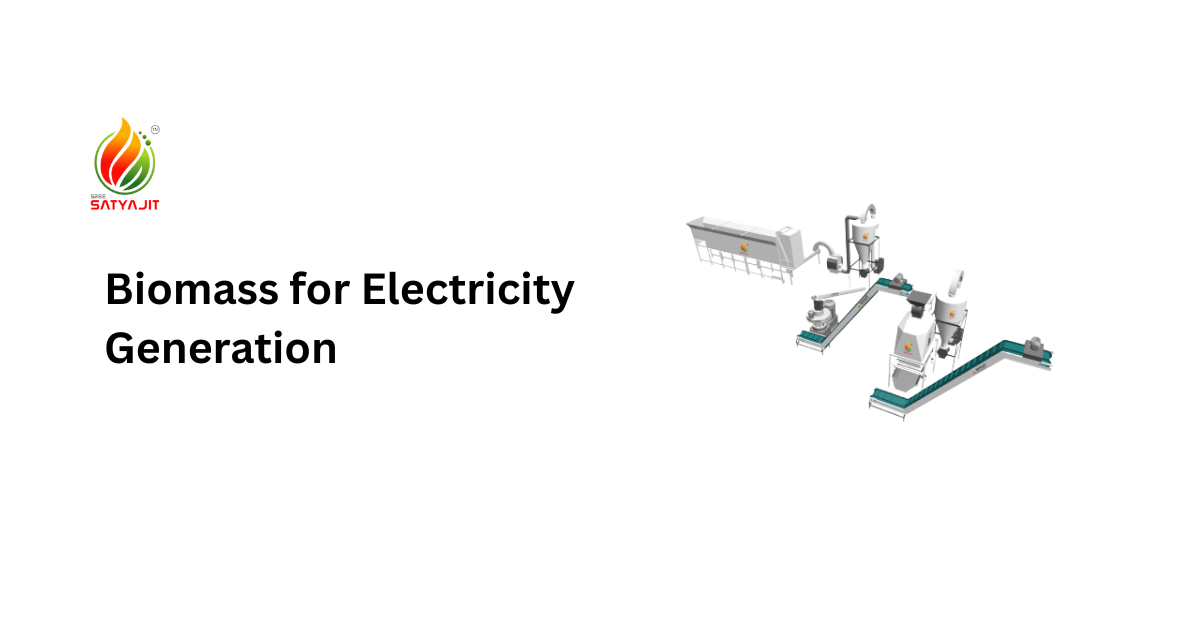
Clean energy does not have to be complicated. One of the simplest and most effective ways to generate electricity is through biomass. It’s all about using what’s already around. Agricultural waste, wood chips, crop residues, or even animal waste. These are not just waste materials. They are full of energy. With the right Biomass Equipment, this energy can be utilised to generate clean electricity for homes, industries, or villages. For a country like India, this is not just an option; this is a powerful solution.
Understanding Biomass Energy
Biomass is organic in nature. These are plant wastes, forestry residues, or even some kinds of municipal waste materials. When properly utilised or processed, biomass turns into heat or gas, which then generates clean electricity.
The process involves combustion, gasification, or digestion. Each process has its own advantages. What’s common in all these processes is the need for proper equipment. And this is where Biomass Equipment plays an important role. The quality of equipment ensures a smooth process. And the smoother the process, the higher the quality of clean electricity generated.
Another significant aspect of biomass energy is its carbon footprint. When biomass burns, it releases carbon dioxide into the atmosphere. However, this carbon dioxide was absorbed by the plants when they were still growing. Thus, biomass generates clean energy without any additional carbon footprint.
How Biomass Generates Electricity
The whole process of generating clean electricity from waste materials involves a few steps:
Collection and Preparation
Biomass materials have to be collected, prepared and then utilised to generate clean electricity. The materials have to be similar in terms of size or moisture level so that the energy generated is proper.
Conversion
This is the part of the process where the actual conversion takes place. The three main types of conversion are:
- Combustion: Biomass is burned. Steam is produced. Steam powers a turbine.
- Gasification: Biomass is burned in a controlled amount of oxygen. Steam powers generators.
- Anaerobic Digestion: Microorganisms break down organic materials. Biogas powers generators.
Electricity Generation
All this energy is converted and transmitted as electricity. Behind the scenes, Biomass Equipment works its magic, ensuring that all this happens as efficiently as possible.
Advantages of Biomass Power Generation
- It’s Renewable : Biomass can always be replenished.
- Cleaner Emissions : Because of its carbon cycle, biomass has a lower carbon footprint.
- Waste Becomes Resource : Biomass takes organic waste that would have otherwise rotted or burned in the open.
- Rural Job Creation : Biomass creates jobs in rural areas.
- Energy Independence : The more sources of energy, the better.
The Role of Biomass Equipment in Efficient Energy Production
The success of biomass power generation depends on the quality of Biomass Equipment. Good equipment does not just burn fuel; it controls the combustion process, monitors temperature and controls emissions.
New equipment is small, smart and built to last. They are efficient in their use of water, can handle a variety of fuel types and can operate in remote areas. They are also automated, making them easier to operate and more reliable.
Also Read – How Biomass Briquetting Machines Support Green Energy Initiatives & Sustainability
Conclusion
Biomass is the unsung hero of clean energy. This is because it solves two problems simultaneously. First, it reduces waste. Second, it produces electricity. Of course, for biomass to be effective, the foundation on which it is built has to be solid.
This is where Satyajit Greentech Pvt Ltd comes in. Their high-performance solutions and expertly designed Biomass Equipment are ensuring that India makes the transition to clean energy.