

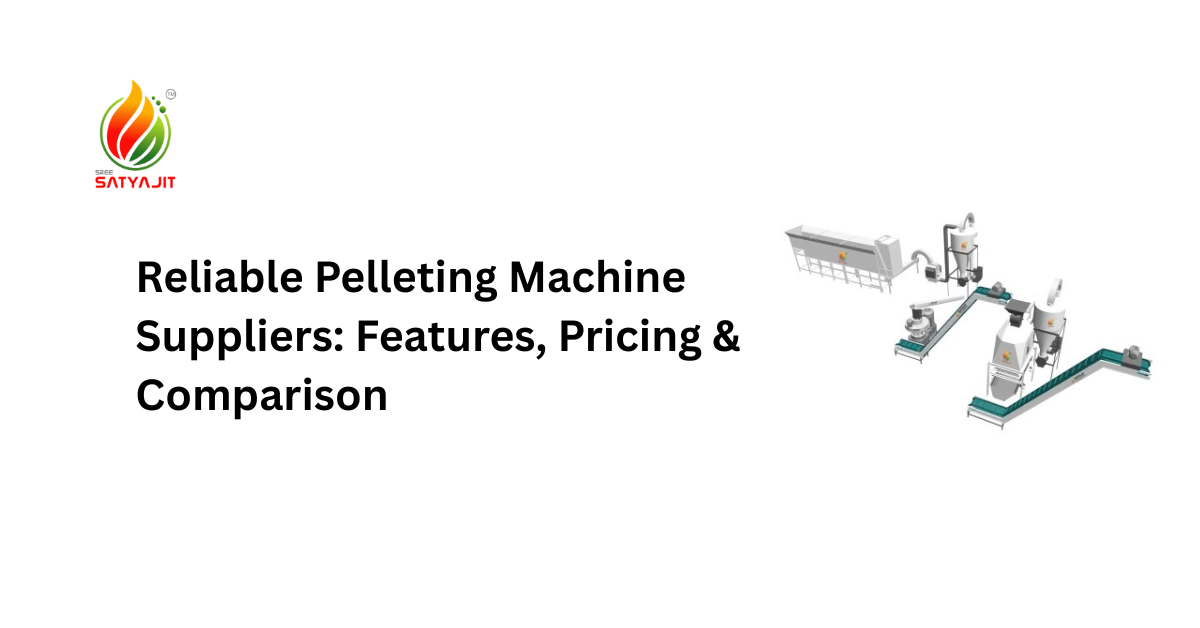
Choosing the right equipment partner can shape the future of your production line. Whether you operate in feed manufacturing, biomass processing, or agricultural production, the quality of your machinery directly impacts output, efficiency, and profitability. That is why selecting reliable pelleting machine suppliers is more than a purchasing decision. It is a long-term investment in performance, stability, and growth. In this guide, we will walk through what truly matters when comparing suppliers, from machine quality and pricing to customer experience and long-term value.
Why Supplier Reliability Matters
A pelleting machine is not a small or temporary purchase. It becomes part of your daily operations. When equipment runs smoothly, your workflow stays consistent and your team can focus on productivity. When it fails, everything slows down.
Reliable suppliers understand this responsibility. They provide machines built for steady performance, offer technical guidance, and stand behind their products. We believe that trust is built through consistent results and responsive support. A dependable supplier should help reduce downtime, improve output quality, and make your production process more predictable.
Quality and Build Standards
The first factor to examine is build quality. A well-designed pelleting machine should be constructed from durable materials that can withstand high pressure, heat, and continuous operation. Components such as dies, rollers, bearings, and motors should meet recognized industrial standards.
High-quality machines deliver uniform pellet size, stable density, and reduced waste. They also require fewer repairs over time. We always encourage customers to ask about manufacturing processes, testing procedures, and quality control measures. A reputable supplier will be transparent about these details.
Certifications, production capacity, and case studies are also useful indicators of reliability. A supplier with consistent production standards is more likely to provide machines that perform as promised.
Ease of Use and Operator Comfort
Modern production environments demand efficiency, and that includes user-friendly equipment. Pelleting machines should be designed with operators in mind. Clear control panels, logical layouts, and accessible maintenance points make daily operations smoother.
Ease of use directly affects productivity. When machines are simple to operate, staff require less training and can work with greater confidence. Reduced complexity also lowers the risk of operational errors.
Comfort may not be the first factor people consider, but noise levels, vibration control, and safe access points all contribute to a better working environment. Over time, these features improve team morale and reduce workplace strain.
Comparing Features Across Suppliers
When evaluating different pelleting machine suppliers, it is important to look beyond surface specifications. Production capacity, motor power, and pellet size range are key metrics, but they should align with your specific production goals.
Some suppliers offer adjustable die systems for multiple pellet sizes. Others provide automated lubrication systems or integrated cooling units. These added features can improve efficiency and reduce manual intervention.
Versatility is especially valuable if you plan to expand your product line. Machines capable of handling feed, biomass, or other raw materials offer flexibility as market demands shift. Investing in adaptable equipment prepares your business for growth.
Pricing and Total Cost of Ownership
Price comparison is often the starting point for buyers, but the lowest upfront cost does not always deliver the best value. Instead of focusing only on purchase price, consider the total cost of ownership.
Maintenance frequency, spare part availability, energy consumption, and service support all influence long-term expenses. A slightly higher initial investment may result in lower repair costs and reduced downtime over several years.
We recommend requesting detailed quotations that outline included components, warranty coverage, and after-sales services. Transparent pricing reflects a supplier’s confidence in their product and helps avoid unexpected costs later.
Customer Experience and Support
Equipment purchases should come with dependable service. Strong customer support includes installation guidance, training resources, and ongoing technical assistance. Quick response times can make a significant difference when production issues arise.
A positive customer experience also involves clear communication. Suppliers should listen to your operational needs and recommend suitable models rather than pushing generic solutions. We believe collaboration leads to better results. When suppliers understand your production goals, they can tailor recommendations that truly fit.
Reviews, testimonials, and repeat clients are good indicators of customer satisfaction. Long-standing relationships often signal reliability and consistent service quality.
Long-Term Value and Changing Expectations
Today’s customers expect more than just machinery. They look for partners who understand efficiency, safety, and technological advancement. Automation features, energy efficiency, and data monitoring systems are becoming increasingly important.
Investing in modern pelleting systems supports improved production tracking and quality control. As industries evolve, equipment must adapt to higher standards and tighter margins. Choosing the right supplier helps future-proof your operations.
Long-term value also includes scalability. A supplier that offers upgrade options or modular systems allows your business to grow without replacing the entire production line.
Sustainability and Thoughtful Decision-Making
Sustainability is becoming a central concern across manufacturing industries. Energy-efficient motors, optimized compression systems, and reduced material waste all contribute to more responsible production.
Selecting equipment designed for efficient energy use lowers operating costs and reduces environmental impact. In biomass and feed production especially, sustainable practices are closely linked to customer trust and regulatory compliance.
Thoughtful decision-making involves considering not only today’s needs but also tomorrow’s expectations. Reliable machines with durable components reduce the frequency of replacements, which supports both cost savings and environmental responsibility.
Conclusion
Selecting reliable pelleting machine suppliers requires careful evaluation of quality, usability, pricing, support, and long-term performance. The right supplier does more than deliver machinery. They contribute to smoother operations, improved product consistency, and sustainable growth. By focusing on build standards, total cost of ownership, customer support, and future-ready features, businesses can make confident decisions that support both immediate production goals and long-term success.